

THE DAWN OF THE CHRISTIAN ART
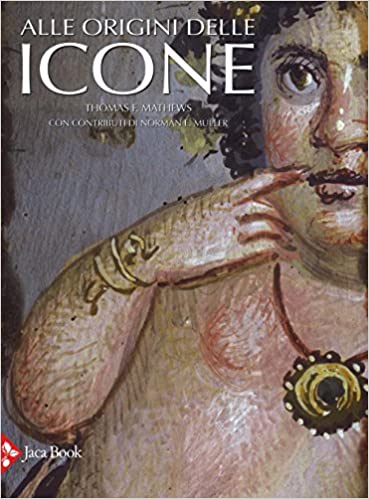
- Category: Art
- Author/Editor: Thomas F. Mathews, Norman E. Muller
- Format: Illustrated/Hardback
- Dimension: 24 cms x 32,5 cms
- Pages: 256
- Price: 100 €
- Year: 2016
- Rights Sold: English, French
- Signs:
-
Link:

 Read Description
Review
Written by jacabook
In spite of a flood of recent publications, the major unsolved problem of Byzantine art remains the origin and growth of icons and their religious usage. This study opens two unexplored paths of research: first, it introduces a new body of panel-paintings from pre-Christian Egypt which clearly anticipates icons in their painting technique and their presentation of haloed divinities in static poses. Second, it uncovers a series of neglected documents, from the second century AD down to the Church Council of Nicea II in the eighth century, that describe the veneration of Christian icons and their insertion into the ceremonies of the Church. This fresh approach of linking the paintings to the un-read documents reveals that the roots of Christian art lay in the ancient Greek and Roman religious practice of ‘votive offerings’. In the cosmopolitan Hellenistic world, the goals of painting apparently shifted, from the classical imitation of nature (called ‘mimesis’), to a direct communication of the devout with the divine. The continuous development of devotional painting from Roman Egypt to Byzantium is examined here in the light of its decisive impact on the masterpieces of later European art. The portability of icons facilitated the dissemination of emblematic image types, such as the ‘Blessing Christ’, the ‘Nursing Mary’, or the ‘Teaching Apostles’, which became widely popular in the Middle Ages and the Renaissance. The study further unveils that the preferred medium of our ancient panel paintings is egg tempera, which is the preferred medium of Italian Renaissance artists from Cimabue to Michelangelo, a thousand years later!
• An innovative approach based on the study of so far unexplored panel-paintings
• The earliest scientific documentation of egg tempera on panel-paintings.
The Dawn of the Christian art contributes to the debate on Byzantine art and as such it is destined to become a standard reference for scholars and an intellectual delight for the interested amateur.